


















Russia's crude oil production experienced its largest drop in 18 months in December. This was attributed to Western sanctions and active Ukrainian drone strikes on energy infrastructure.
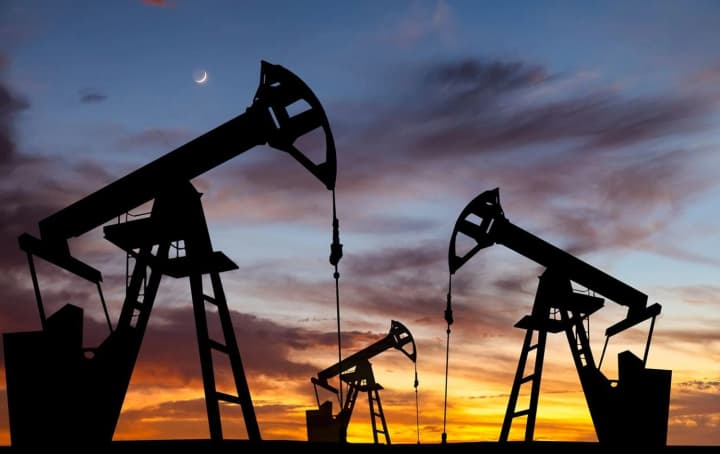
Russia's crude oil production in December experienced its largest decline in 18 months due to Western sanctions, which are forcing barrels to accumulate at sea, as well as active Ukrainian drone attacks on the country's energy infrastructure. This is reported by Bloomberg, writes UNN.
Details
According to sources familiar with government data, Russia produced an average of 9.326 million barrels of oil per day, which is more than 100,000 barrels less than in November, and almost 250,000 barrels per day less than allowed under the agreement with the Organization of the Petroleum Exporting Countries (OPEC+) and allies. The figure does not include condensate.
The decline in production occurred against the backdrop of widespread Ukrainian drone attacks on Russian oil infrastructure, which directly limit production and affect refineries that consume oil. At the same time, Russian cargoes are accumulating at sea due to the reluctance of some buyers to take oil after large-scale US sanctions against Russia's two largest producers — Rosneft PJSC and Lukoil PJSC.
The Russian Ministry of Energy has not yet responded to Bloomberg's request regarding December production figures. Russia is currently observing a public holiday.
Sharp decline
Russia's oil production in December fell the most in 1.5 years.
The December decline was the deepest since June 2024 — a period when Russia was supposed to cut production in accordance with the OPEC+ agreement. The group of producers agreed to return barrels to the market between April and December 2025, and then keep production volumes stable in the first quarter of 2026.
Until December, Russia's production was growing, even if the growth rate slowed down at the end of the year. OPEC+'s requirement for Russia for December 2025 was 9.574 million barrels per day.
Historically, Russia has often exceeded OPEC+ quotas, and it had to make additional production cuts to compensate for the excess.
US confirms detention of Russian tanker Olina09.01.26, 16:54 • 1362 views
The December production cut occurred amid difficulties in selling export cargoes. By the end of December, the volume of Russian oil on tankers exceeded 185 million barrels, as key buyers, including some Indian refineries, sought workarounds for sanctioned barrels.
Crude oil refining at Russian refineries remained below the seasonal historical average for most of December: some plants were forced to reduce or completely suspend operations due to record Ukrainian attacks, which limited domestic oil consumption.
At the same time, Ukraine for the first time since the beginning of the war attacked Russian oil fields in the Caspian Sea, directly affecting production, as well as tankers transporting Moscow's barrels to the world. Attacks on vessels forced some tankers to take detours and increased caution when working with Russian oil among shipowners.
Condensate production — which is not included in these figures — usually does not exceed 10% of total production, so an disproportionate and sharp increase in condensate production in December would have been needed to exceed the November level.
The Russian government classified oil production statistics in 2022 after the invasion of Ukraine.
Oil prices rose due to shrinking US inventories and the situation in Venezuela08.01.26, 17:33 • 4980 views