













According to The Economist, Putin's chances of victory in Ukraine are diminishing, and peace talks will not provide him with a way out of the trap. Economic and political instability threatens Russia, destroying the dictator's plans.
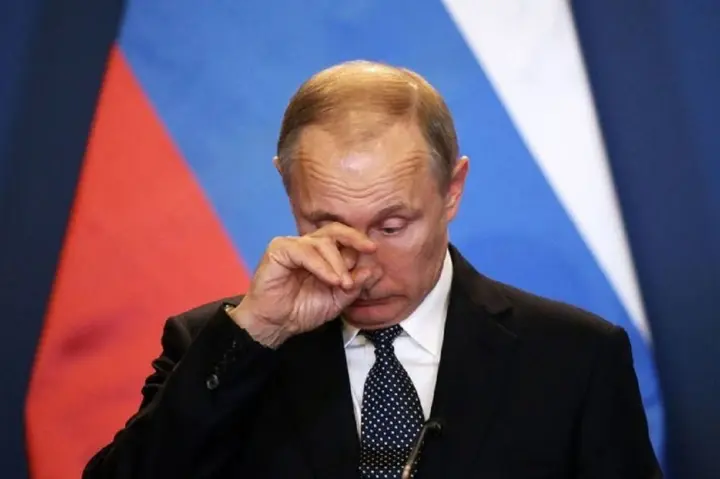
Russian dictator Vladimir Putin has fallen into a "trap of his own making": the chances that his troops in Ukraine will achieve anything he can call a victory are diminishing. This is stated in an article by The Economist, reports UNN.
Details
It is noted that many expected peace talks in Geneva to provide Putin with an "exit," as US President Donald Trump would force Ukraine to cede territory.
In reality, that escape route is becoming less likely. And even if a peace deal is struck, the consequences within Russia will threaten economic and political instability, shattering Putin's plans to be counted among the greatest leaders in history
– the publication writes.
The authors point out that the first problem for Putin is the battlefield: in the "Great Patriotic War," from June 1941 to May 1945, the Red Army advanced 1600 km from Moscow to Berlin, while in "this longer war," Russian troops in Donetsk region have advanced only 60 km.
At this point, Putin will not be able to change that. For the first three years, Russia was building up its army. By the end of last year, it was losing more men than it could recruit. They are poorly trained, morale is low, and desertion rates are higher than ever. Starlink has cut off Russian troops from the smuggled terminals they depended on for targeting. Their own government has shut down Telegram, which they used for frontline communication
– the article states.
US does not know if Russians are serious about ending the war in Ukraine – Ambassador to NATO17.02.26, 17:05 • 2867 views
The authors predict that Putin will try to increase the number and quality of recruits. At the same time, Putin may strike Ukrainian cities and power grids to destroy morale and the economy. But air attacks alone are unlikely to lead to surrender.
"Russia relies on money, not patriotism, to recruit soldiers. The likelihood of death or injury, neglect of veterans, and the state's attempt to avoid paying 'coffin money' to the families of fallen soldiers – all increase the cost of recruitment. The rest of the economy is shrinking. Debt payments are rising. Oil revenue prospects are poor. … Peace itself could trigger a crisis in Russia. … The problem of reallocating resources from waging war, including finding jobs for soldiers returning from the front, could lead to a deep recession," the publication summarizes.
Recall
According to Reuters, the heads of five European intelligence agencies do not believe in a quick end to the war, despite Trump's statements. They believe that Russia is using negotiations to weaken sanctions and is not seeking peace.
Little chance for negotiations – Merz predicts a long war between Russia and Ukraine19.02.26, 10:16 • 4610 views