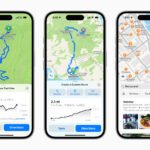







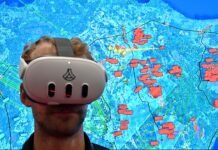










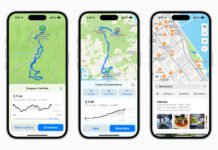








The future of geospatial technology is unfolding at an unprecedented pace, reshaping how we understand the world around us. From urban planning and environmental monitoring to logistics and national security, geospatial tools are becoming indispensable across virtually every sector. As innovation accelerates, businesses, governments, and communities must adapt to stay ahead of a rapidly transforming landscape.
What Is Geospatial Technology?
Geospatial technology refers to the suite of tools and systems used to collect, analyze, visualize, and interpret geographic data. This broad category encompasses Geographic Information Systems (GIS), Global Positioning Systems (GPS), remote sensing, satellite imagery, LiDAR, and spatial data analytics. Together, these technologies allow professionals to map physical and human environments with extraordinary precision, enabling smarter decisions based on real-world spatial context.
For decades, geospatial technology was confined to specialized government agencies and research institutions. Today, thanks to cloud computing, open data initiatives, and mobile connectivity, it has become accessible to businesses and individuals alike.
Key Trends Shaping the Future of Geospatial Technology
1. Artificial Intelligence and Machine Learning Integration
One of the most transformative forces in the future of geospatial technology is the integration of artificial intelligence (AI) and machine learning (ML). AI-powered GIS platforms can automatically detect patterns in satellite imagery, identify land use changes, monitor deforestation, and even predict natural disasters. Machine learning algorithms process vast amounts of geospatial data far faster than human analysts, delivering actionable insights in near real-time.
2. Real-Time Geospatial Data and IoT
The proliferation of Internet of Things (IoT) devices is generating a continuous stream of real-time location data. Sensors embedded in vehicles, infrastructure, wearables, and smart city systems feed live spatial information into GIS platforms. This shift toward real-time geospatial analytics is enabling dynamic traffic management, emergency response optimization, and predictive infrastructure maintenance.
3. High-Resolution Satellite Imagery and Drones
Commercial satellite companies are launching new constellations capable of capturing sub-meter resolution imagery on a daily basis. Combined with drone (UAV) technology, this has dramatically lowered the cost and time required for aerial surveys. Industries ranging from agriculture and mining to insurance and real estate now rely on high-resolution remote sensing data to drive decisions.
4. Cloud-Based GIS Platforms
Cloud computing has democratized access to powerful GIS capabilities. Platforms like Esri’s ArcGIS Online, Google Earth Engine, and open-source alternatives allow organizations of all sizes to store, process, and share geospatial data without the need for expensive on-premise infrastructure. This shift is accelerating collaboration, enabling multidisciplinary teams to work with spatial data simultaneously from anywhere in the world.
5. Digital Twins and 3D Mapping
Digital twins — virtual replicas of physical environments — represent one of the most exciting frontiers in geospatial innovation. By combining 3D spatial data with real-time sensor inputs, cities and corporations can simulate scenarios, test infrastructure designs, and model disaster responses without any real-world risk. Smart city initiatives around the world are already implementing digital twins to manage energy grids, transportation networks, and urban development projects.
Global Impact of Geospatial Innovation
The impact of geospatial technology extends across nearly every domain of human activity. In agriculture, precision farming powered by GIS and remote sensing is helping farmers optimize crop yields, reduce water usage, and manage soil health. In healthcare, spatial epidemiology tools track disease outbreaks and model the spread of pathogens. Environmental scientists use satellite-based GIS platforms to monitor glacial retreat, track deforestation, and model climate change scenarios with increasing accuracy.
In the humanitarian sector, geospatial technology is saving lives. Disaster relief organizations use real-time mapping to coordinate rescue efforts, identify vulnerable populations, and allocate resources efficiently in the aftermath of earthquakes, floods, and other catastrophes. Globally, governments are leveraging GIS data to support sustainable development goals, manage natural resources, and guide infrastructure investments in underserved regions.
GIS Services in Jacksonville: Local Applications of a Global Technology
Jacksonville, Florida, is one of the largest cities by land area in the contiguous United States, making GIS services in Jacksonville not just useful but essential. Managing a sprawling urban landscape requires sophisticated spatial tools to plan transportation corridors, coordinate utility networks, monitor environmental zones, and guide smart growth initiatives.
GIS services in Jacksonville support a wide range of municipal and private sector applications. City planners use GIS mapping to identify flood-prone zones — a critical concern given Jacksonville’s proximity to the St. Johns River and Atlantic coast. Emergency management agencies rely on spatial analytics to map evacuation routes and stage resources for hurricane preparedness. Meanwhile, utility companies deploy GIS platforms to manage vast networks of water, sewer, and electrical infrastructure across the region.
The private sector in Jacksonville is equally invested in geospatial solutions. Real estate developers use GIS to conduct site suitability analysis, while logistics companies optimize last-mile delivery routes using GPS-integrated mapping tools. Environmental consulting firms in the area provide remote sensing and spatial analysis services to support regulatory compliance and ecological restoration projects along Jacksonville’s coastlines and inland waterways.
As the demand for GIS services in Jacksonville continues to grow, the region is seeing increasing investment in geospatial workforce development and technology partnerships. Local government agencies and private firms alike are recognizing that geospatial expertise is no longer a niche specialty — it is a foundational competency for managing modern, data-driven cities.
Challenges and Ethical Considerations
With the rapid expansion of geospatial capabilities comes a set of important challenges. Data privacy is a growing concern, particularly as high-resolution imagery and real-time tracking technologies become more sophisticated. The potential for mass surveillance and unauthorized monitoring of individuals raises significant ethical questions that policymakers and technologists must address together.
Data accuracy and interoperability also remain ongoing challenges. As the volume of geospatial data grows exponentially, ensuring data quality and enabling seamless integration between different platforms and data formats is critical. Additionally, the digital divide means that many developing regions still lack access to the infrastructure needed to fully leverage geospatial technology — a disparity that could widen global inequalities if not proactively addressed.
Conclusion
The future of geospatial technology is bright, dynamic, and deeply consequential. As AI, IoT, cloud computing, and advanced remote sensing continue to evolve, geospatial tools will become even more powerful instruments for understanding and shaping our world. From global environmental monitoring to hyperlocal applications like GIS services in Jacksonville, the transformative potential of spatial intelligence is only beginning to be realized.
Organizations and communities that invest in geospatial technology today will be better positioned to navigate the complex challenges of tomorrow — from climate change and urbanization to infrastructure resilience and public safety. In a world that is increasingly defined by location-based data, geospatial technology is not just a tool; it is a strategic imperative.