





















Satellite images recorded renewed activity at Iran's nuclear facilities in Natanz and Isfahan in January 2026. Tehran is constructing new protective structures to conceal the aftermath of last year's US and Israeli airstrikes.
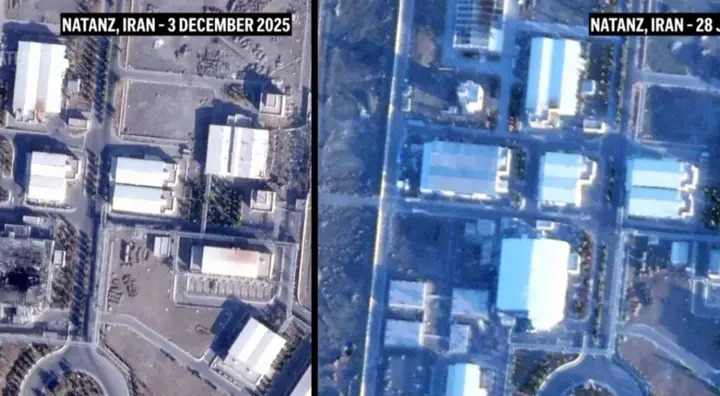
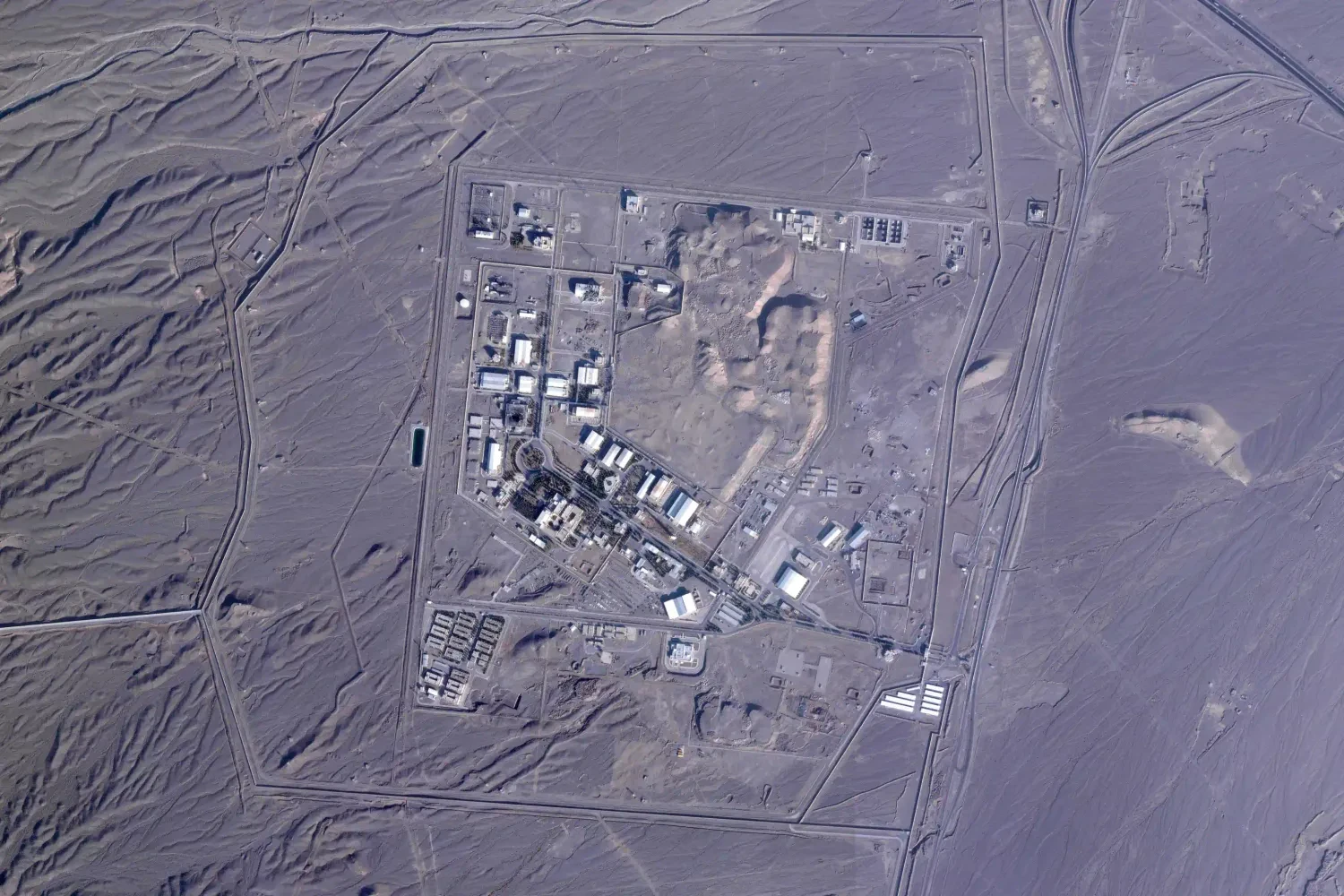
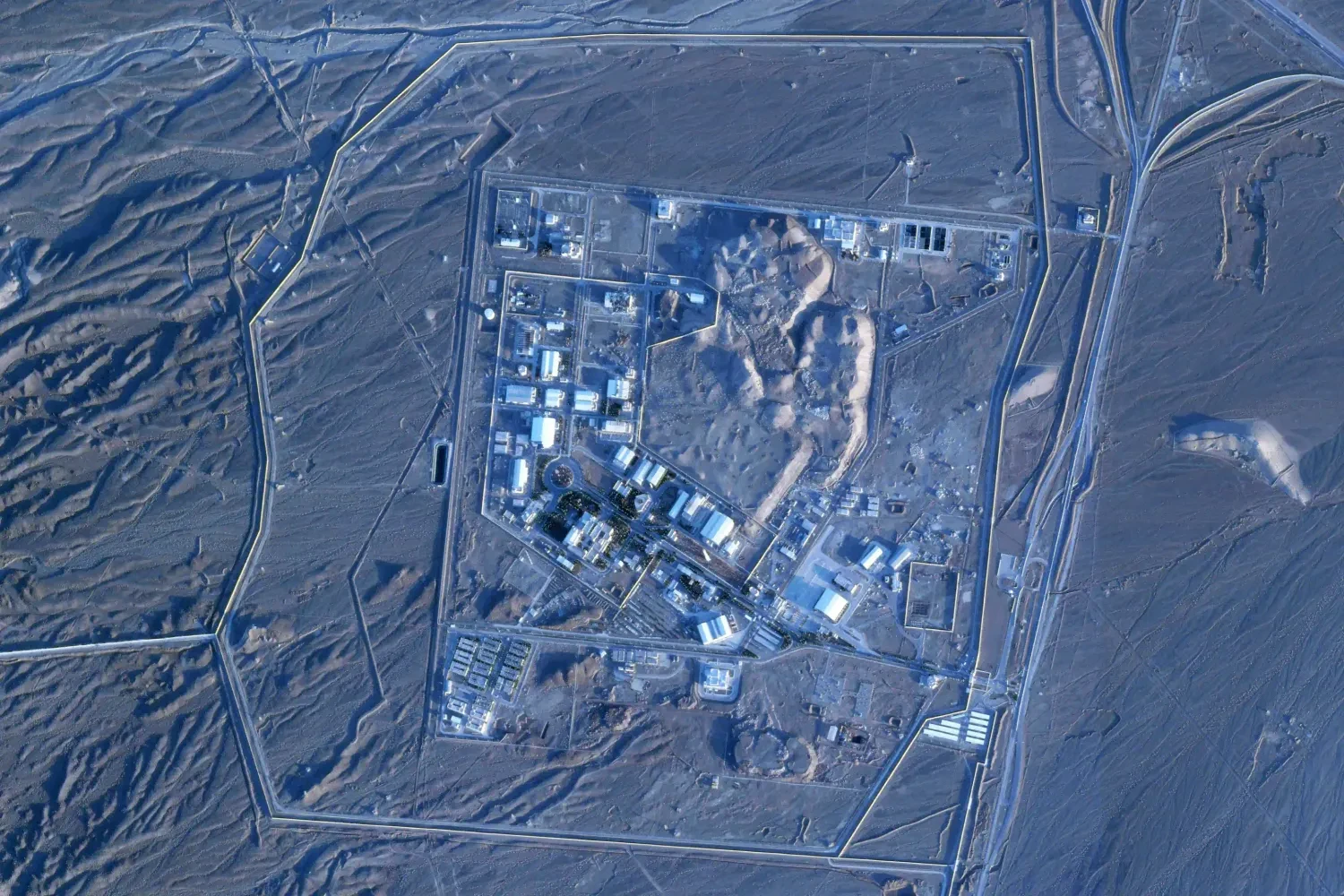
New satellite images from Planet Labs PBC have shown renewed activity at two key Iranian nuclear facilities – Natanz and Isfahan. Analysis of footage taken in January 2026 indicates that Tehran is trying to conceal the consequences of last year's US and Israeli airstrikes by erecting new defensive structures and limiting opportunities for international monitoring. This is reported by the Associated Press, writes UNN.
Details
According to the AP report, new roofs have appeared over the destroyed workshops at the Natanz uranium enrichment plant. Similar structures were completed at the Isfahan nuclear center in early January. According to experts, these measures are aimed not at a complete reconstruction of the facilities, but at creating shelters that block satellite views of the earth's surface.
Iran threatens strike on Israel amid US preparations for military operation31.01.26, 13:24 • 4082 views
This allows Iranian specialists to inventory remaining equipment and highly enriched uranium without the risk of being detected by external observation.
These roofs are likely part of an operation to remove salvaged assets or debris, and Iran wants to hide what it is removing from there.
– notes Sarah Burkhard from the Institute for Science and International Security.
Fortification of underground facilities and diplomatic pressure
In addition to masking ground damage, satellites have recorded expanded work near Mount Pickaxe (Kuh-e Kolang Gaz La), where Iran is building a new deep underground nuclear facility.
Iran rejects Trump's threats and declares readiness to respond to US actions29.01.26, 09:50 • 3764 views
Also in Isfahan, work has been observed to strengthen tunnels and block some entrances with soil, which is regarded as preparation for potential new attacks. Such activity is taking place against the backdrop of Donald Trump's ultimatums, who demands that Tehran immediately conclude a new nuclear agreement, threatening even larger strikes.
At the same time, the IAEA continues to emphasize the impossibility of full control over the Iranian program, as Tehran continues to deny inspectors access to the affected facilities. The lack of transparency and the rapid strengthening of military nuclear infrastructure create preconditions for further escalation in the region in early 2026.
Trump confirms plans for direct talks with Iran to avoid war30.01.26, 07:23 • 4942 views