

















In the fall, the US presented a 28-point peace plan for Ukraine. The Wall Street Journal named five potential obstacles to peace between Russia and Ukraine.
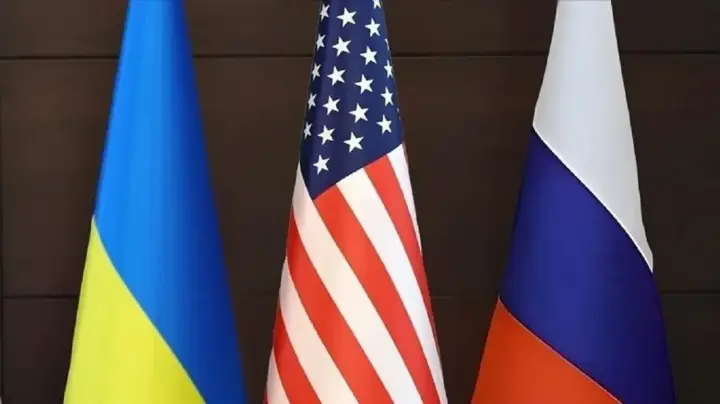
When the US presented its 28-point peace plan for Ukraine in the autumn, leaders in Kyiv saw a number of traps set by the Kremlin, according to a publication by The Wall Street Journal, writes UNN.
Details
The document, developed with Russia's participation, contained points that Ukraine would never accept without additional security guarantees – from ceding territory and holding immediate elections to a constitutional commitment not to join NATO. Analysts viewed the proposal as consistent with Russia's ultimate goal of dominating all of Ukraine.
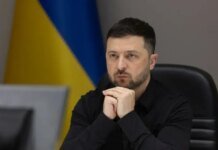
Ukrainian President Volodymyr Zelenskyy said that all "openly anti-Ukrainian" points had been removed from the latest draft of the amended 20-point plan, but it is still far from complete. He said that the US plans to share the newest version of the documents with the Russian side this week.
The WSJ named some of the main stumbling blocks:
- Land. Russia wants Ukraine to withdraw troops from territories in the Donetsk region. Ukraine argues that it has no moral or legal right to give them up, but the US has pressured Ukraine to comply with Russia's demand, seeking a quick end to the war. The territorial stalemate shows how Russia uses negotiations to achieve its goals, insisting on diplomatic concessions on the ground under the threat of military force. Moscow's focus on the painful issue of territory is intended to "break the opponent" without revealing positions on other details, said Eric Ciaramella, a former member of the US National Security Council. "Russia continues to insist on unrealistic demands that, in my opinion, catastrophically nullify international law," said Mykhailo Podolyak, an adviser to the Office of the President of Ukraine.
- NATO. What Putin calls the "root causes" of the conflict have not changed throughout the war, namely: Ukraine's Western tilt and the expansion of the North Atlantic Treaty Organization. Although Kyiv has acknowledged that the US does not foresee Ukraine joining the military alliance, Zelenskyy has rejected demands for the country to abandon its mandated aspiration to join the security bloc. He called this idea a limitation for Ukraine in planning its own future.
- Armed forces strength. The initial US proposal also suggested limiting the size of Ukraine's armed forces to 600,000 personnel. According to Zelenskyy, this figure was changed to 800,000 to reflect the current strength of the Ukrainian military. Valeriy Chaly, who served as Ukraine's ambassador to the US in the years following Russia's aggression in 2014, said that the question of how many troops Ukraine should have is not so much about military specifics as it is about limiting Ukraine's decision-making. "We must understand… how to resist attempts to limit our sovereignty. We ourselves will determine how much we need and what our model is," he said at a panel in December.
- Culture. Another thorny issue in the discussions is Russian efforts to restore Russian-language media and education in Ukraine after the war. The protection of the rights of the Russian-speaking population was one of the pretexts for Moscow's move to annex Crimea and secretly introduce paramilitary formations into parts of the Donetsk and Luhansk regions in 2014. "First, they want to take everything they can from Ukraine. Second, they want to destabilize the country. Third, they want to restore the instruments of Russian influence. Fourth, it's just Russian propaganda," said political scientist Oleksiy Haran.
- Nuclear power plant. Who controls the Zaporizhzhia nuclear power plant is another obstacle in the negotiations. Kyiv considers the US proposal to share control over Europe's largest nuclear power plant unfair. Zelenskyy stated that the plan is silent on details regarding the demilitarization of the plant, financing its repairs, ensuring water and electricity supply, and creating a habitable area for workers after Russia occupied the facility.
For Zelenskyy, one "red line" is non-negotiable: Bild learned about Kyiv's position on the withdrawal of troops from Donetsk region15.12.25, 12:23 • 5602 views