











The Belgian Federal Prosecutor's Office is investigating the detention of the tanker Ethera, suspected of sailing under a false flag and using forged documents. The vessel was arrested in the port of Zeebrugge due to possible circumvention of EU sanctions against Russia's "shadow fleet."
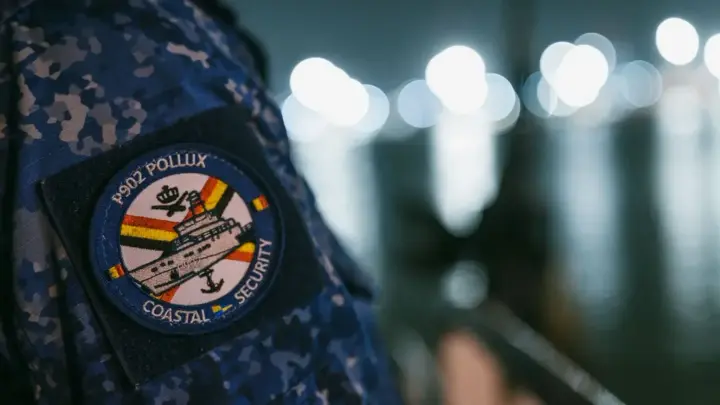
The Belgian Federal Prosecutor's Office has launched an investigation after the oil tanker Ethera was detained in the North Sea, suspected of sailing under a false flag and using allegedly forged documents. The case is linked to the possible circumvention of EU sanctions against Russia's so-called "shadow fleet," UNN reports.
Details
Reportedly, the vessel was detained on the night of Saturday to Sunday (February 28 to March 1 — Ed.) and directed to the Belgian port of Zeebrugge, where it was subsequently impounded.
According to the investigation, Ethera was sailing under the flag of Guinea, but an inspection on board, conducted with the participation of an inspector from the General Directorate for Shipping of the Federal Mobility Service, "confirmed signs of a false flag and discovered documents believed to be forged."
Following consultations with the King's Prosecutor of West Flanders, a decision was made to open proceedings and an order was given to change the vessel's course to Belgian territorial waters. The Federal Prosecutor's Office notes that it is working in cooperation with the West Flanders Prosecutor's Office, the maritime police, and the shipping administration, without disclosing details at this stage.
The situation has a geopolitical context: Ethera is listed in EU sanctions as a vessel associated with the "shadow fleet" that Russia uses to transport oil in circumvention of international restrictions. Belgian Defense Minister Theo Francken stated there were "serious indications of deception and circumvention of sanctions" during a press conference in Zeebrugge.
Belgian Chief of Defense General Frederik Vansina clarified that the tanker had been monitored for some time, noting typical indicators of such schemes: regular voyages between Russia and South America, periodic disabling of identification systems, and flag changes.
According to available information, control over the vessel was established around midnight. The identities of all 21 crew members have already been established. The 180-meter tanker arrived in Zeebrugge in the morning, where it was detained.
The operation involved 93 military personnel, a service dog, and also received support from the French naval forces.
French President Emmanuel Macron publicly welcomed the operation on social media, posting a video of the detention.
The Belgian Ministry of Defense also stated that the incident could have diplomatic consequences: Theo Francken reported that he expects a reaction from Moscow, and the Belgian ambassador to Russia was allegedly informed and may be summoned.
In addition, the Belgian National Crisis Center is assessing the situation, and the Coordinating Body for Threat Analysis (OCAM) has been tasked with conducting additional risk analysis.
Currently, the prosecutor's office must determine whether the vessel's actions violated the Belgian maritime code and whether it was a deliberate attempt to circumvent sanctions.
EU prepares legal grounds to stop Russian 'shadow fleet' vessels – media04.10.25, 10:59 • 10191 view
Recall
On March 1, Belgian armed forces, with the support of French defense forces, detained a tanker of the Russian shadow fleet. The operation was named "Blue Intruder."
Zelenskyy calls for confiscation of Russian 'shadow fleet' tankers after Belgian operation01.03.26, 15:28 • 4030 views