














On Friday, May 22, SpaceX conducted a successful test launch of its largest rocket, Starship. The company's press service reported this on the social network "X," UNN reports.
Details
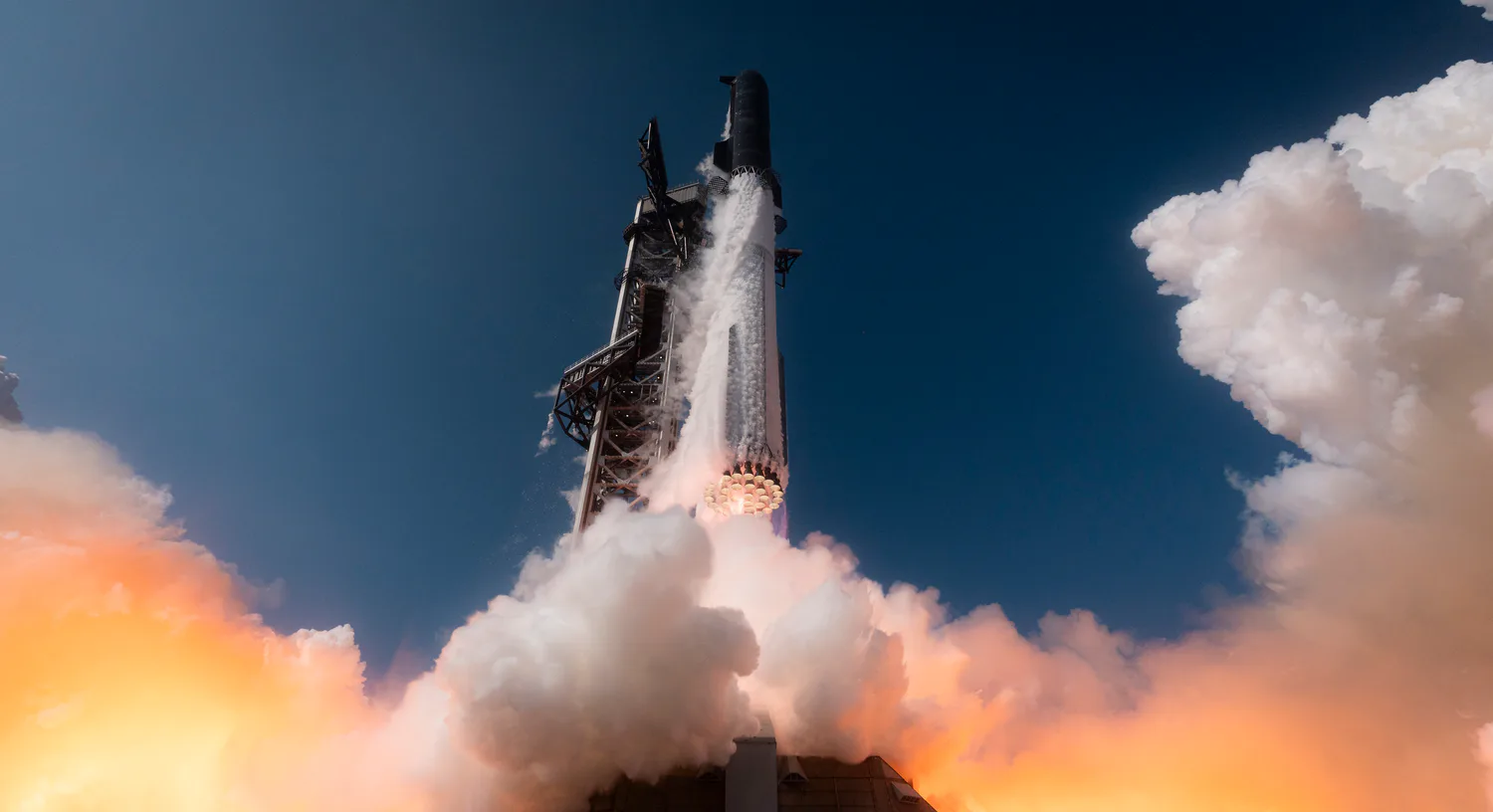
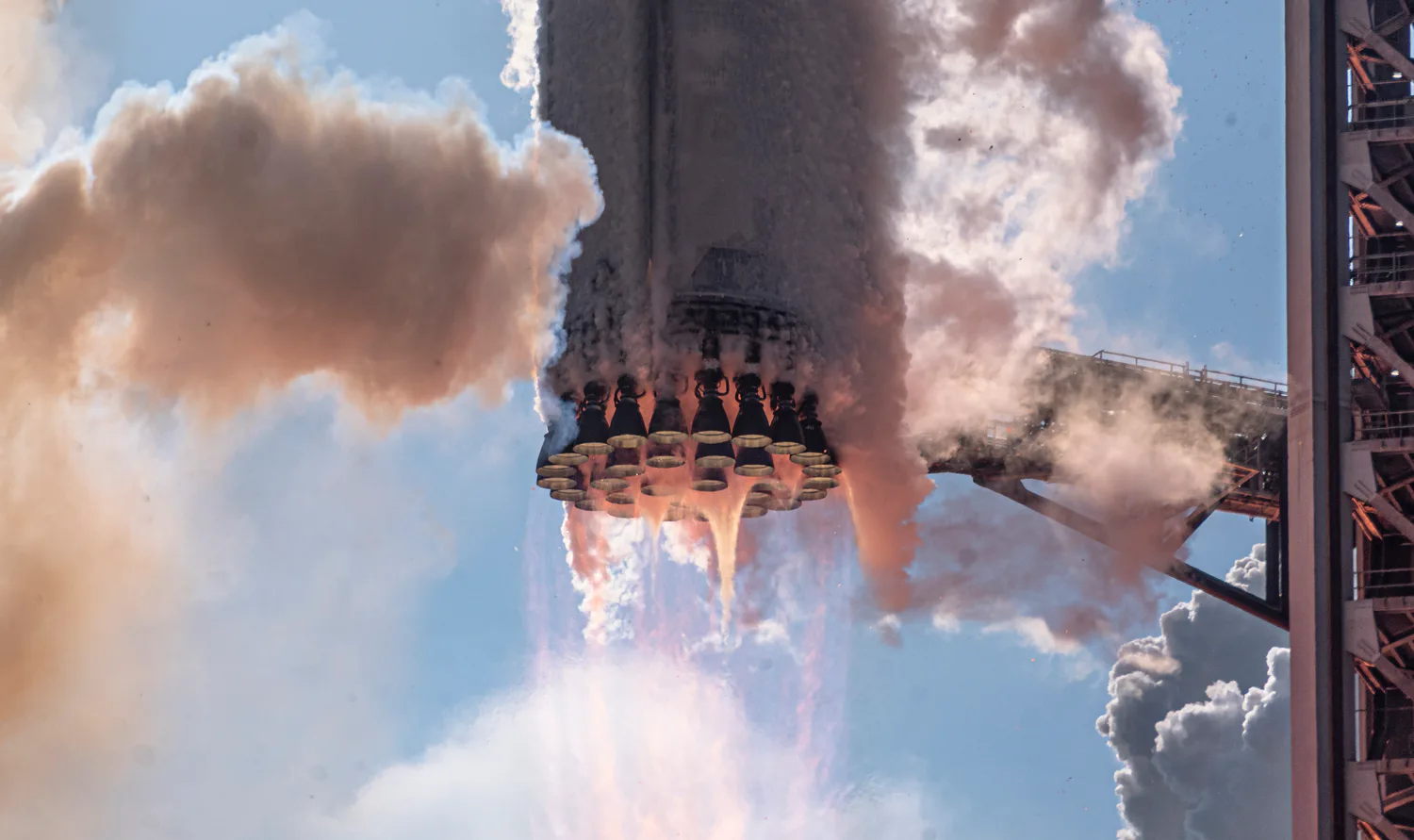
The Starship rocket launched from the Starbase spaceport in Texas as part of its twelfth flight test. As reported by SpaceX, this was the first flight of the Starship and Super Heavy V3 version vehicles, a test of the Raptor 3 engines, the first launch from Launch Pad No. 2, and the first Starship flight to deploy modified Starlink satellites into orbit for filming Starship in space.
The test flight began with the Super Heavy igniting all 33 Raptor 3 engines and ascending over the Gulf of Mexico. During the ascent, one Raptor engine shut down. Following a successful first-stage ascent, a "hot-stage" separation maneuver occurred, during which the Starship upper stage ignited its six Raptor engines to continue its flight into space.
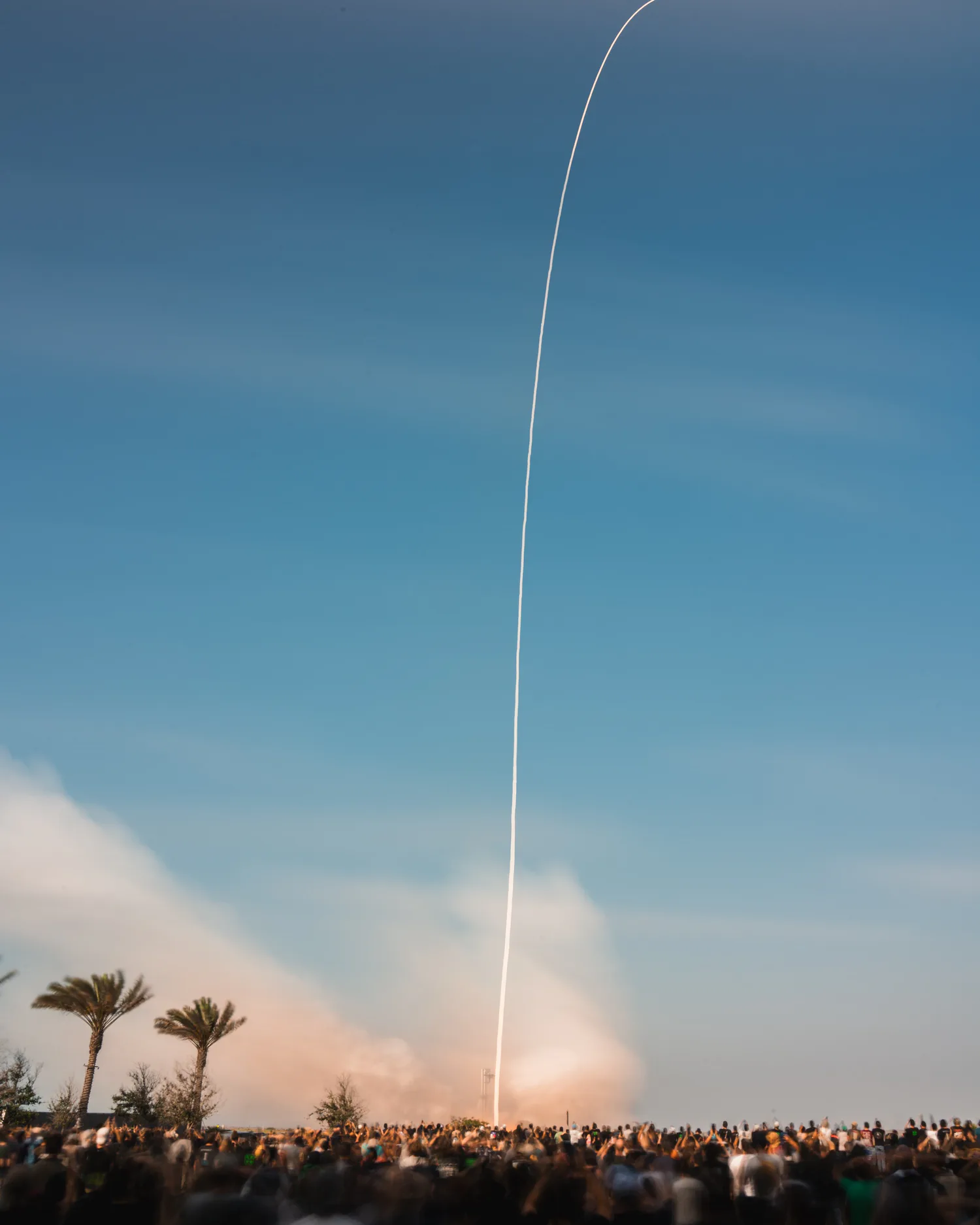
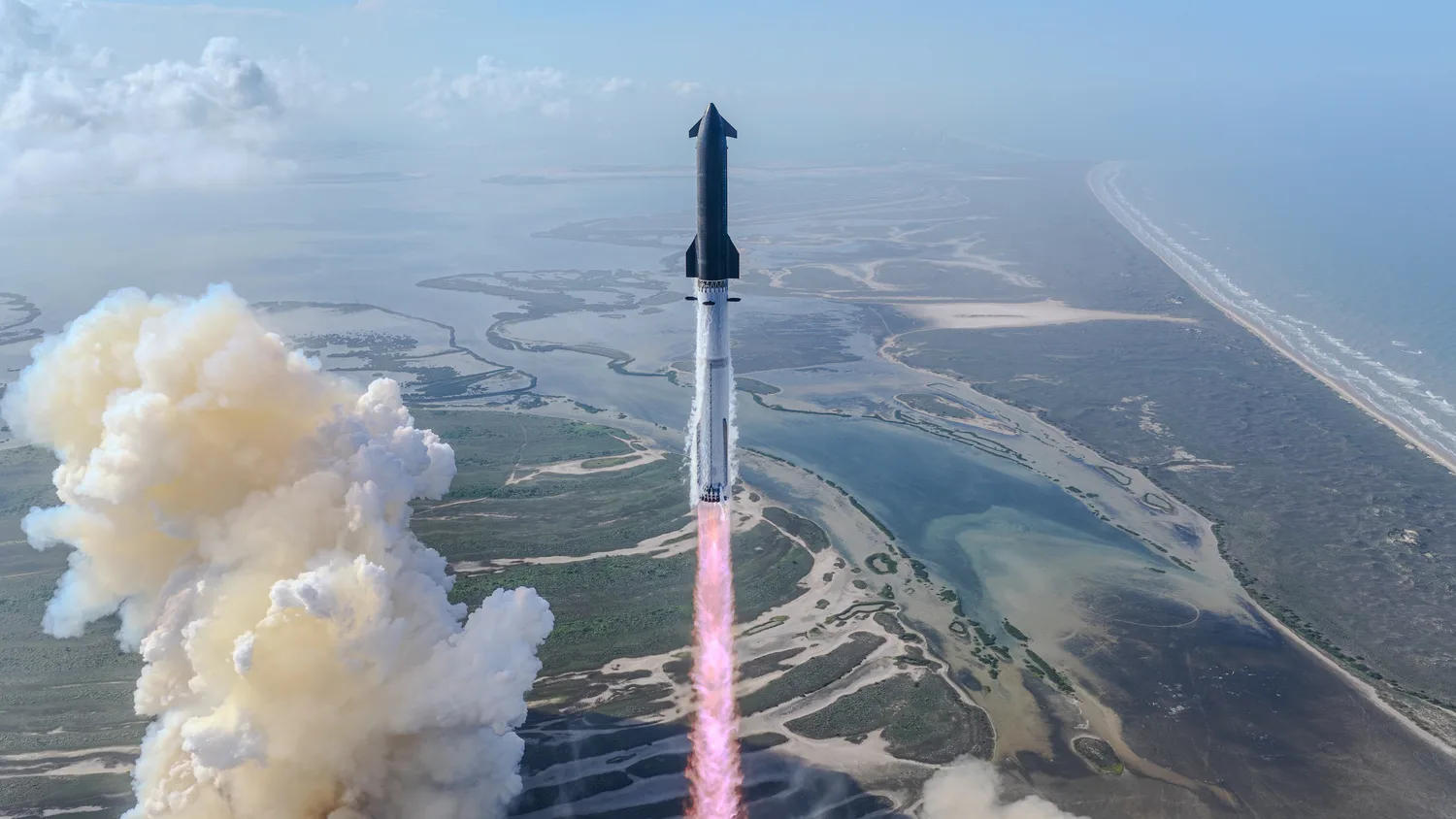
After stage separation, the Super Heavy booster performed a flip maneuver and attempted a return maneuver. It failed to ignite all planned engines and executed a partial return maneuver that ended prematurely. Super Heavy attempted to reignite its engines for a landing maneuver, after which it experienced a hard splashdown in the Gulf of Mexico
– the company's statement reads.
During the ascent into space, Starship lost one of its Raptor 3 vacuum engines but demonstrated its ability to operate with one engine out and reached its planned trajectory.
At the same time, during the flight, Starship successfully deployed all 20 Starlink simulators and two modified Starlink satellites that filmed Starship in space. These simulators and modified Starlink satellites were on the same suborbital trajectory as Starship.
Starship re-entered the Earth's atmosphere and was able to collect critical data on the effectiveness of its heat shield and structural integrity. In the final minutes of the flight, Starship performed a maneuver to intentionally test the structural limits of the vehicle's aft flaps, as well as a dynamic roll to simulate the trajectory that future missions returning to Starbase will fly. Starship then used its four flaps to autonomously guide itself to a pre-planned splashdown zone in the Indian Ocean and performed a landing flip, landing burn, and splashdown on two Raptor engines
– SpaceX stated.
Recall
Earlier, UNN reported that SpaceX was one step away from the first launch of the taller and more powerful version of its Starship V3 rocket, but a frustrating issue with the launch tower delayed the launch by at least one more day.